Tuesday, March 15, 2022

Ukraine: PTSD Triggers and "Doomscrolling"


I recently learned two new terms: d
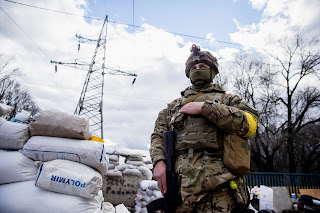
oomscrolling and doomsurfing. This is when we continue to surf or scroll through bad news online, even though that news is saddening, disheartening, or depressing - and even when we know it will make us feel anxious or angry. I have definitely been doing a lot of doomscrolling lately with 
Russia's attack on Ukraine, and I know I am not alone.

With social media, many of us are watching atrocities happening in Ukraine in real time, and it is not surprising that many of us are reflecting on our own war experiences, whether it’s Vietnam, Iraq, Afghanistan or anything else. These events can activate a fight-or-flight response, and I've heard many Veterans comment that they wish they could join the fight themselves. 

But what do we do when these triggers bring back our PTSD symptoms in full force? We've got answers, so let's take a moment to review PTSD triggers and what we can do about them. 

Understanding Triggers

We all have physical and psychological reactions to threats. This is our brain’s way of keeping us alive, and that is a good thing. This means that our bodies and our brains respond when triggered. Triggers are stimuli that cause our bodies and brains to react.

Triggers can be internal (like pain) or external (like fireworks) and they can bring us right back to remembering our past trauma. The smell of our attacker’s cologne, a box in the middle of the road, the sound of a gunshot - these are all examples of potential triggers.

Triggers can affect us in a variety of ways, making our hearts race to having a full-blown panic attack. Unfortunately, we don’t know our triggers until we experience them. It’s the worst kind of surprise.

And this is where Russia's war on Ukraine comes in; it brings with it many potential triggers because the situation is quickly changing and uncertain. All that not knowing is a trigger generator, and there is conflicting information, a feeling of helplessness, and atrocities happening in real time streaming video online. These triggers can cause flashbacks, hypervigilance, anxiety, inability to relax or sleep, nightmares, and a desire to withdraw from our lives or even end our lives. 

Unfortunately, this is normal. Our brains react to triggers and work hard to keep us alive. Let’s take a knee and respond.

How Do We Respond To Triggers?

First things first: it’s important to stop and choose to be compassionate with ourselves. This war is hard on folks who have no history of trauma and have lots of money and resources available, so let’s intentionally try to be easy on ourselves. Experiencing a trigger is not a character defect. It is our brain’s way of keeping us alive.           

To respond to triggers rather than let them control us, we can create a simple three-step plan: (1) intentionally disengage from things that trigger us (for me that is doomscrolling), (2) explore triggers, and (3) create a self-care plan.

Here’s How This Looks

(1)   Let's unplug (seriously) and reach out to someone we trust to help keep us accountable. If we don't have anyone who can help us, then we can use technology. Pick a firm time and set an alarm to remind you when it is time to unplug and shift gears.

(2) Explore triggers with a counselor or trusted ally or through journaling. Really take time to understand why your brain feels triggered. PTSD is a very logical disorder, and it is likely that your brain is stressed and anxious. Talking about it and journaling about it will help release anxiety and pressure.   

(3)   Create a plan of self-care. It is important to engage in self-care and ensure we are taking care of ourselves physically, emotionally, spiritually, mentally, and emotionally. Triggers can kick us out of gear and affect our sleep, our schedule, and our thoughts and feelings. There are great self-help guides available online, and we can use these to talk with those who support us.

Triggers are normal and do not mean that we are damaged. We absolutely can come back from our PTSD and reclaim our lives.

*****

“If you believe change is possible, you want to change, and you are willing to do the work, you absolutely CAN get your life back.”

Get your copy of The Soldier's Guide to PTSD, The Soldier's Workbook, 

or Acknowledge & Heal, A Women's-Focused Guide to PTSD

Tuesday, February 15, 2022

How to Ask About Suicide

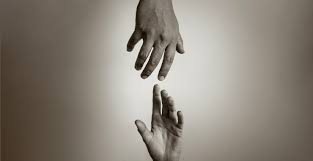
What do we do when we see a family member or friend struggling? Or when we reconnect with a Battle Buddy and we get the sense something is off?


This is an awkward and uncomfortable topic because, at its core, it is terrifying. Most of us have lost more friends to suicide than to combat and it feels frightening to know our loved ones are struggling and not know what to do. So, here’s our script:

“I can tell you are having a hard time. Are you considering suicide?”

It is a simple question, but not an easy one.

The next step is hard: wait for an answer. Don’t jump in, don’t try to answer for them. Just wait.

This is hard because you care and because every part of you wants to help. But it is powerful to create space for them and to choose to be there with your buddy, no matter how uncomfortable it feels. What a profoundly loving thing to ask. 

If your loved one is suicidal, stay with them and call the Veterans Crisis Line at 1-800-273-8255. You can also go to the emergency room or call 911 if you fear for their safety. 

Your turn: Has someone asked you about suicide before? What was your experience?

*****

“If you believe change is possible, you want to change, and you are willing to do the work, you absolutely CAN get your life back.”

Get your copy of The Soldier's Guide to PTSD, The Soldier's Workbook, 

or Acknowledge & Heal, A Women's-Focused Guide to PTSD
Tuesday, February 1, 2022

Vietnam Veteran Connections

I’ve been reading Achilles in Vietnam: Combat Trauma and the Undoing of Character by Jonathan Shay, MD. Or, I should say, I’ve been listening - I have it in audiobook format. His work compares the Soldiers of Homer’s Iliad with Vietnam Veterans suffering from PTSD. While that might sound a little heady, it’s an important work and a must-read for clinicians.

What has struck me the most about Shay’s account are the direct quotes he includes from the Vietnam Veterans in his group. At times they are the exact same words that have come out of my own mouth to describe my experience in Iraq - or the exact same words that my clients have used to describe Iraq, Afghanistan, Syria, and any number of deployed AOs. While driving and listening to the book last week, I pulled over and replayed a section in disbelief – I was genuinely shook by the connection; word-for-word. 

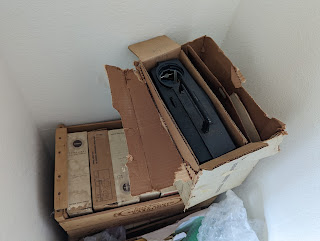
My dad was a Vietnam Veteran; he died in 2019 and we never discussed our combat experiences while he was alive. I inherited a slide projector and a crate of slides marked Binh Thuy Air Base and Vietnam that I can’t bring myself to look at just yet, although I am not exactly sure why. But I think about them a lot.


Since publishing The Soldier’s Guide to PTSD this year, I have had the privilege of connecting with many Vietnam Veterans and learning about their experiences. What has struck me the most is how Vietnam Veterans worked to ensure that today’s Veterans were honored when we came home. How often I heard accounts of Vietnam Vets being spit on at the airport or being called “baby killers” at their family gatherings.

After my first deployment, Vietnam Veterans were front and center and welcomed us home at the airport. Back in 2004 I didn’t know why, and now I do: they wanted to make sure that I did not experience what they did. What an incredible gift. 

The decision that Vietnam Veterans made to pay it forward despite their own experience is an inspiring sacrifice. I feel humbled, grateful – thankful. As I listen to their words through Achilles in Vietnam and relate them to my own experience I find myself reflecting on how I want to help others in our community. 

I’d love to hear your thoughts.

*****

“If you believe change is possible, you want to change, and you are willing to do the work, you absolutely CAN get your life back.”

Get your copy of The Soldier's Guide to PTSD, The Soldier's Workbook, 

or Acknowledge & Heal, A Women's-Focused Guide to PTSD