Friday, November 11, 2022

Veteran's Day: Call Your Buddy


Team, this weekend is going to be hard. It's Veteran's Day weekend and our Facebook feeds will be full of pictures and tributes to those we've lost to combat and to suicide. And it is hard. I'm not here to force-feed you some rah-rah message about how life can change; I'm here to stand with you - because this weekend consistently sucks every single year and we need each other right now. 

A lot of us will seriously consider suicide this weekend. And I get it. I wish I didn't, but I think we all do - and it's fucking awful to feel this way. Please do your buddy checks this weekend, and nag the shit out of the people you love. Please ask: "are you thinking of suicide right now?" - this doesn't glorify suicide or give anyone ideas, but it does get straight to the point, and this weekend especially that candor is important. 

I've never met a combat Vet who lost more buddies to war than they did to suicide, and that's not okay. Rather than doing 22 push-ups, I encourage you to pick up the phone and call someone to check in. 

If you learn that your battle buddy is in trouble, here's how to get help: call the Veterans Crisis Line at 1-800-273-8255 and Press 1 or send a text to 838255. You can text the crisis line while you are on the phone. Ask you buddy where they are located, who is with them, and whether or not they have a weapon. Pass this info on to the crisis line; they will send emergency services. 

I know that no one wants to piss off their buddy, but no one wants another dead buddy either - so choose your battles. The single most loving thing anyone ever did for me personally was stage an all-out intervention; it saved my life. 

Please consider sharing this info. Thanks, Team - stay safe out there.

TL;DR: call your battle buddy, ask them directly if they want to kill themselves, get them help.

AND YOU - if you're in this head space, talk to someone now - like right now. Call your buddy, call the crisis line, do whatever it takes to hang on until this feeling passes because the world would not be better off without you.

*****

“If you believe change is possible, you want to change, and you are willing to do the work, you absolutely CAN get your life back.”

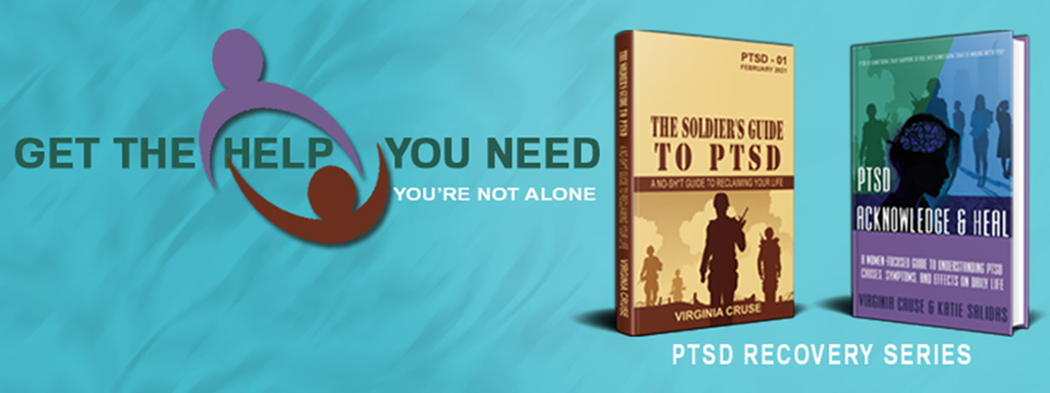
Get your copy of The Soldier's Guide to PTSD, The Soldier's Workbook, 

or Acknowledge & Heal, A Women's-Focused Guide to PTSD

Friday, October 14, 2022

Childhood Trauma and Mental Health

Childhood trauma is strongly associated with developing mental health problems. We mentioned earlier that Complex PTSD was also linked to ongoing and relational trauma, especially when the trauma begins during a person’s youth. We expect that many of the adults reading this book will find the experiences we’re about to cover of particular interest. 

Adverse Childhood Experiences (ACEs) is the term used to describe the types of abuse, neglect, or other potentially traumatic experiences that can happen to a person under the age of 18. 

Trauma can come from a variety of experiences. Common examples of trauma that children and adolescents can experience include things like:

·         Sexual Abuse / Rape

·         Neglect

·         Emotional Abuse / Narcissistic Parent

·         School Violence / Bullying

·         Natural Disasters

·         Military-Family Related Stressors

·         Sudden or Violent Loss of A Loved One

·         Serious Accidents

·         Life-Threatening Illnesses 

NPR has a basic Adverse Childhood Experiences quiz you can take as a sample self-assessment to get started on your healing journey. Please note, this sample quiz is not a replacement for an actual therapeutic assessment. It does, however, provide some good background information. There are other resources available in our new book Acknowledge and Heal: A Women-Focused Guide To Understanding PTSD.  

It is important to recognize that upsetting experiences are not always traumatic. Divorce, for example, is an upsetting experience for children. It can create a feeling of abandonment or parental loss in a child, but the divorce alone is not necessarily traumatizing. How the parents handle the divorce, however, can be. If one parent attempts to use the child as a pawn with the other parent, that can create a traumatic situation for the child. Situational context is important.

In most cases of abuse, it is the caregiver who is identified as the perpetrator - someone the child knows and relies on for care: a parent, teacher, religious leader, coach, or family physician. This includes direct abuse and/or negligence in reporting abuse involving a child and caregiver.  

We should also note that many children who are exposed to potentially traumatic events may experience initial distress, but it is short-lived. In the case of PTSD, it is the duration of symptoms that categorize the disorder. That is not to downplay the seriousness of trauma. Again, context is important.

We value your feedback and ideas! Reach out on our Community Facebook Page!

*****

“If you believe change is possible, you want to change, and you are willing to do the work, you absolutely CAN get your life back.”

Get your copy of The Soldier's Guide to PTSD, The Soldier's Workbook, 

or Acknowledge & Heal, A Women's-Focused Guide to PTSD

Tuesday, October 11, 2022

The 11th: Buddy Check Day


The 11th day of each month is Buddy Check Day reminding us to check in with other veterans. By getting in touch with others, we can enjoy camaraderie, check on each other’s well-being, and maybe even connect another veteran with a service they can use.

Buddy Check can be as simple as picking up the phone, talking, texting, or visiting.

Buddy Check Day is a great opportunity for veterans to connect with each other, and for other community members to reach out and connect with veterans.

It promotes camaraderie and connectedness. It also serves as an opportunity to educate folks on issues that are relevant to veterans across Texas and to educate folks on the services that are available to veterans.

We value your feedback and ideas! Reach out on our Community Facebook Page!

*****

“If you believe change is possible, you want to change, and you are willing to do the work, you absolutely CAN get your life back.”

Get your copy of The Soldier's Guide to PTSD, The Soldier's Workbook, 

or Acknowledge & Heal, A Women's-Focused Guide to PTSD