Friday, May 31, 2024

The Power of Social Support


We all know that having a strong support system can make a world of difference in our lives. Whether we are facing challenges or simply need someone to confide in, having people who support and care for us can greatly impact our overall well-being. Recent studies have shown that social support not only helps us cope with tough times but also plays a vital role in promoting mental wellness and protecting against distress. This is especially significant for individuals who have experienced trauma. The power of social support should never be underestimated, especially in times of hardship. It has proven to be a major factor in aiding individuals in recovering from difficult events.

There are three main types of social support:

  • Emotional support involves providing trust, empathy, love, and care for the person seeking help. This type of support can help individuals feel less alone and improve their overall sense of well-being.
  • Instrumental support, on the other hand, involves providing practical assistance. This can include financial aid or help with daily tasks, which may be essential for those with immediate needs. Studies have shown that instrumental support is associated with a lower risk of suicide death. 
  • Informational support involves offering advice and guidance. This can help individuals make informed decisions and access appropriate resources for coping with their trauma. 

Studies have shown that those with larger social networks and those who feel supported experience less reactivity to stressors and have better mental health overall. This supports the "stress-buffering hypothesis," which proposes that having strong social support can help reduce negative thoughts and beliefs following a traumatic experience. Essentially, social support acts as a shield against stress, making traumatic experiences seem less impactful while providing valuable coping resources.

Whether it comes from a romantic partner, family member, close friend, or support group, having reliable and effective social support has been identified as one of the most significant contributors to overall well-being. So remember, never underestimate the power of social support - especially in times of hardship. Make sure to prioritize these relationships and lean on them when needed. They could make all the difference in your journey towards better mental health.


*****

“If you believe change is possible, you want to change, and you are willing to do the work, you absolutely CAN get your life back.”

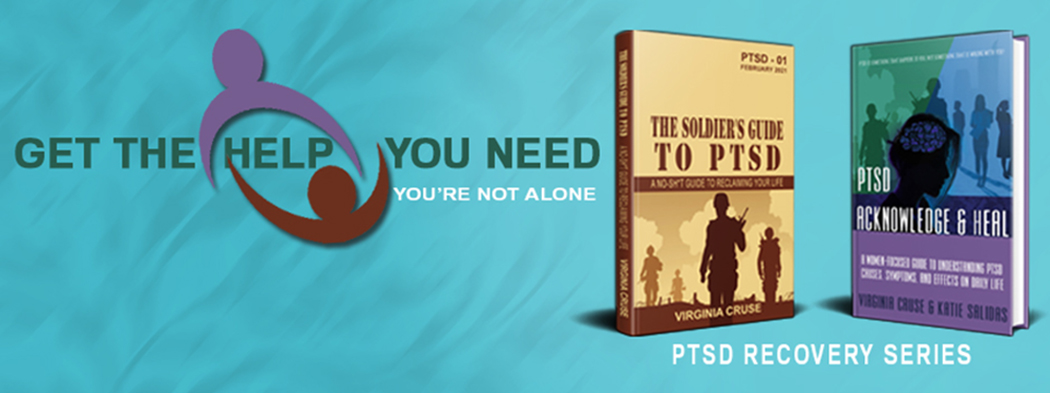
Get your copy of The Soldier's Guide to PTSD, The Soldier's Workbook, 

or Acknowledge & Heal, A Women's-Focused Guide to PTSD

Friday, May 24, 2024

The Truth about Resilience


Mental and emotional well-being are integral to a healthy life. When people suffer with mental illness or drug and alcohol abuse, it significantly impacts all aspects of their lives and their loved ones.

When we talk about mental health, another term often comes up. Resilience.

Resilience isn’t something you’re born with. It’s the ability to persevere and overcome adversity, and that ability is built throughout a lifetime of experiences. But being resilient does not mean that a person eliminates challenges or distress from their life. It means that they're able to adapt in the face of trauma, tragedy, and threats.

Remember that word, adapt. It’s a verb, an action word. It means we have to do something.

To promote resilience, we have to develop protective factors like exercise, a healthy diet, a healthy sleep schedule, good communication, and most important of them all, a healthy support network.

We may not always be able to sleep eight hours or eat healthy when on call. We may not be able to get in a good run or hit the gym. Those can’t be the only strategies we turn to. Resilience is active, right? So what’s the next item on our list?

When we’re struggling and in need of help, we have to communicate our needs. And that’s where having a healthy support network comes in. First responders have to navigate and process some of the most difficult and traumatic situations imaginable... on a daily basis. There’s not enough sleeping or eating right in the world that is going to fortify a person against the effects of trauma like that. To borrow a phrase, “it takes a village.”

When there are people ready and willing to step in and help (peers, partners, friends, and/or family), you are better able to cope with difficult situations. Social support has been shown to reduce our level of stress during troubling situations. And knowing someone “has your back” creates the opening to do the hardest thing possible. It allows you to be open and ask for help when you need it.

Remember, resilience isn’t just toughing it out through the worst situations. It’s having a strategy and support system in place...and using it when you need it.  

*****

“If you believe change is possible, you want to change, and you are willing to do the work, you absolutely CAN get your life back.”

Get your copy of The Soldier's Guide to PTSD, The Soldier's Workbook, 

or Acknowledge & Heal, A Women's-Focused Guide to PTSD

Friday, May 17, 2024

Trauma Treatment for First Responders


First responders are often viewed as heroes, bravely risking their lives to save others. And rightly so. However, what many people don't realize is that these everyday heroes also face tremendous trauma and stress on a daily basis.

The non-stop, high-pressure nature of their jobs can take a toll on their mental health, leading to anxiety, depression, and even post-traumatic stress disorder (PTSD). Unfortunately, due to the demanding nature of their work, first responders often don't properly process and cope with the traumatic situations they encounter.

The impact of unaddressed trauma can be far-reaching for first responders. It can lead to sleep disturbances, painful flashbacks, emotional numbness, and addiction. These symptoms not only affect their well-being but also their relationships with loved ones, as they may become avoidant and isolated.

But there is hope. First responders need to know that they are not alone and what they are experiencing is a normal response to abnormal situations. There are various evidence-based treatment options available to help them process and cope with their trauma, including cognitive-behavioral therapy, eye movement desensitization and reprocessing (EMDR), exposure therapy, and stress management techniques.

These treatment methods for dealing with trauma help first responders identify their thoughts, emotions and behaviors and change certain responses they may have in various situations. Treatment can also help first responders relax, reprocess traumatic events, and reduce the emotional distress they might feel.

It's crucial for first responders to have a strong support system in place. This can include an accountability partner at work or someone at home who they can confide in and manage stress with before, during, and after traumatic events occur.

Seeking professional help is a necessary step towards healing. Unfortunately, there is still a stigma surrounding seeking help for mental health and addiction issues. Many view it as a weakness or something to be ashamed of.

It's time to break this stigma. When the demands of the job take a toll on our health, seeking help is not only necessary, it's the bravest thing you can do.

*****

“If you believe change is possible, you want to change, and you are willing to do the work, you absolutely CAN get your life back.”

Get your copy of The Soldier's Guide to PTSD, The Soldier's Workbook, 

or Acknowledge & Heal, A Women's-Focused Guide to PTSD