Friday, June 21, 2024

Recognizing You Need Help And Reaching Out For It Is The Bravest Thing You Can Do


First responder “culture” strongly emphasizes strength, self-reliance, and saving others. Many of these brave men and women are exposed to traumatic events on a daily basis, yet they often feel pressure to present themselves as unbreakable heroes. It’s almost as if they think that admitting to struggling with mental health is saying that they don’t have what it takes to do the job anymore.

It’s a false narrative. One that needs to be obliterated.

Unfortunately, the stigma surrounding mental health in the First responder community is as strong as they are. In order to avoid negative judgments or repercussions at work, many first responders don’t report their symptoms or actively seek help. They fear of being labeled as weak or damaged. First responders have to navigate and process some of the most difficult and traumatic situations imaginable... on a daily basis. There’s not enough sleeping or eating right in the world that is going to fortify a person against the effects of trauma like that.

Let's be clear - developing PTSD or any other mental health condition is not a sign of weakness. The idea that someone “gets” PTSD because they are not resilient enough, or because they already experienced trauma, addiction, etc. and are “damaged goods” is a dangerously false narrative. It basically equates PTSD to the flu and opines that PTSD attacks those with compromised mental immune systems. 

Mental health warning signs for first responders to look out for:

  • Threatening suicide or threatening harm to others
  • Displaying out-of-control or reckless behaviors
  • Increased feelings of anxiety or excessive worry
  • Hostility or insubordination towards others and supervisors
  • An unusual fascination with suicide or homicide
  • Withdrawing or isolating behaviors
  • Changes in sleeping patterns
  • And an increased use or beginning use of drugs or alcohol to cope

 This is not an exhaustive list, but if you or someone you know exhibits some or a combination of these signs, it may be time to seek help.

It's important for first responders to recognize when their work has begun to take a toll and seek support and professional help. The stigma isn’t helping anyone, especially not those whose job title is “hero.”

Seeking help is not a sign of weakness, it's a necessary step towards healing and maintaining overall well-being. When you get down to it. Recognizing you need help and reaching out for it is probably the strongest and bravest thing you can do.


*****

“If you believe change is possible, you want to change, and you are willing to do the work, you absolutely CAN get your life back.”

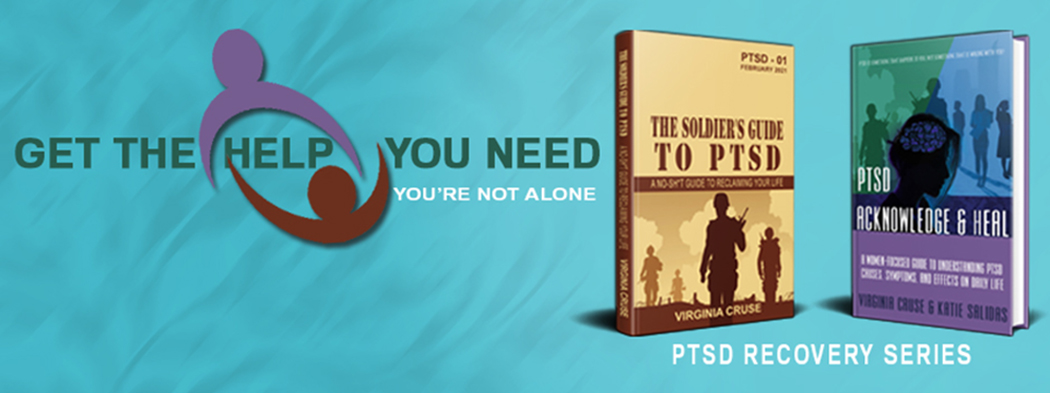
Get your copy of The Soldier's Guide to PTSD, The Soldier's Workbook, 

or Acknowledge & Heal, A Women's-Focused Guide to PTSD

Friday, June 14, 2024

First Responder Burnout: The Toll of Community Service


It is common knowledge that first responders are among the helping professionals most at risk of burnout and psychological vulnerability. It’s the nature of the job, which consistently has you putting the needs of the community before your own. And the effects of the constant and continuous exposure to these stressors over the course of a first responder's career will pop up in different aspects of life.

Many first responders experience increased stress, depression, and anxiety following exposure to critical incidents. Reports show that about 85% of first responders have experienced symptoms attributed to mental health conditions. And first responders experience depression and PTSD at a rate of up to five times that of the general population. Demanding schedules, threatening conditions, and mental, physical, and spiritual stress can contribute to job burnout.

Burnout is a state of emotional, physical, and mental exhaustion caused by excessive, prolonged stress.

Burnout is not caused by stress alone. Here are some of the other factors that can lead to burnout: 

  • Feeling like you have little or no control over your work
  • Lack of recognition or reward for good work
  • Unclear or overly demanding job expectations
  • Working too much, without enough time for socializing or relaxing
  • Lack of close, supportive relationships
  • Taking on too many responsibilities, without enough help from others

 Being burned out is feeling empty, mentally exhausted, and lacking motivation, with no resources left to draw on.

While many of the signs of burnout may sound similar to what anyone would experience after a particularly stressful day of work, it’s caused by prolonged stress. And it’s often not triggered by a singular event, unless that event stretches over a period.

People experiencing burnout often cannot see a way to change their situation. If not addressed and treated, burnout can lead to a full-on mental health crisis. There is a significant association between PTSD and burnout, particularly the depressive component. While Burnout is not currently recognized by the DSM-5, it is a serious condition that makes a person less resilient to handling additional traumas.

To address burnout within organizations, strategies such as focus groups, Critical Incident Stress Management programs (CISM), and Employee Assistance Programs (EAP) have been implemented. These programs aim to provide first responders who have experienced traumatic events on shift with guidance, support, and therapy options.

If you notice any of the warning signs mentioned above, don't brush them off. Address them and seek help before they escalate. Seek help before it becomes too overwhelming.


*****

“If you believe change is possible, you want to change, and you are willing to do the work, you absolutely CAN get your life back.”

Get your copy of The Soldier's Guide to PTSD, The Soldier's Workbook, 

or Acknowledge & Heal, A Women's-Focused Guide to PTSD

Friday, June 7, 2024

First Responders and Divorce


Every day, first responders put their lives on the line to protect and serve their communities. However, this demanding and high-stress job can take a toll on their personal lives in ways that many people may not realize.

Studies have shown that the divorce rate among first responders is significantly higher than the national average. In fact, research from the First Responder's Initiative reports an average divorce rate of 60-75% for these brave individuals, compared to the overall national average of 50%.

One of the biggest challenges faced by first responders is maintaining healthy relationships.

First responders are routinely exposed to distressing situations such as accidents, fires, and crisis situations. The demanding nature of their work can sometimes overshadow personal relationships and lead to exhaustion, burnout, and PTSD.

Additionally, their long shifts, night shifts, and work on holidays can disrupt family dynamics and limit quality time spent with loved ones. This can make it challenging for first responders to engage in meaningful interactions with loved ones, leading to feelings of isolation and difficulty seeking support during tough times. Their dedication to prioritizing the safety and well-being of their communities often means putting their own needs second.

Compounding these challenges is the stigma surrounding mental health within these professions. Many first responders may feel hesitant or unable to seek help when needed due to this stigma. And while emotional detachment may be a necessary coping mechanism for their job, it can also create distance between partners.

It's important to note that many first responders are able to maintain successful and fulfilling relationships.

Establishing open communication, providing mutual support, displaying empathy, and seeking appropriate help when necessary are crucial elements in resolving personal difficulties that may arise between first responders and their significant others.

However, we cannot ignore the very real impact that divorce can have on a first responder's wellbeing. Divorce can take an immense emotional toll on any individual. For first responders who already face high-stress situations and traumatic experiences in their line of work, we cannot ignore the impact that divorce can have on their wellbeing.

The intense emotional toll of divorce, coupled with the existing stressors of their job, can be overwhelming for first responders. It’s crucial to have access to peer support groups or group therapy in these cases, and connect with others who understand the unique challenges divorce presents. By seeking this kind of support, first responders can find solace in knowing they are not alone and receive valuable advice from those who have walked in their shoes.

To borrow a phrase, “it takes a village.”

And when facing one of the most personal of pains, you need people on your side, ready and willing to step in and help (peers, friends, and/or family) you are better able to cope.

*****

“If you believe change is possible, you want to change, and you are willing to do the work, you absolutely CAN get your life back.”

Get your copy of The Soldier's Guide to PTSD, The Soldier's Workbook, 

or Acknowledge & Heal, A Women's-Focused Guide to PTSD