Friday, April 26, 2024

Compassion Fatigue in Caregivers


According to Charles Figley, who first coined the term, compassion fatigue refers to the negative psychological symptoms experienced by caregivers who are exposed to direct traumatic events or secondary trauma in the course of their work. This can include first responders or mental and/or healthcare workers, and other professionals who are frequently exposed to traumatized individuals.

The stress and impact of this exposure on caregivers' mental and physical health cannot be underestimated. It often stems from a combination of prolonged exposure to trauma, as well as the inability to emotionally disengage from the suffering of others.

Some common signs of compassion fatigue include exhaustion, anger and irritability, negative coping behaviors such as alcohol or drug abuse, emotional detachment or numbness, burnout, and impaired decision-making abilities.

So how can you prevent compassion fatigue from taking over your life? Here are some key things to keep in mind:

1. Take care of your own well-being: As a caregiver, it's natural to put others' needs before your own. However, it's crucial to prioritize your own mental and physical health to avoid reaching a breaking point.

2. Acknowledge your limitations: You're only human, and there's only so much you can do. Don't be afraid to ask for help when you need it or delegate tasks if possible.

3. Practice self-care: Make time for activities that bring you joy and help you relax. Whether it's exercising, reading a book, or spending time with loved ones, self-care is essential for recharging your emotional batteries.

4. Don't ignore warning signs:

    • Depression
    • Frustration
    • Feelings of uselessness
    • Cynicism
    • Feeling disconnected from others
    • Worries you’re failing at your job
    • Constantly feeling exhausted or tired
    • Feeling the need to drink alcohol or do drugs

If you notice any of the warning signs mentioned above, don't brush them off. Address them and seek help before they escalate. Seek help from resources like supervisors, peer-support groups, or clinical practitioners before it becomes too overwhelming.

Compassion fatigue may be a common occurrence in caregiving professions, but it doesn't have to take control of your life. By taking care of yourself and being aware of the warning signs, you can continue to provide excellent care without sacrificing your own well-being. Remember, only when you take care of yourself can you truly take care of others.


*****

“If you believe change is possible, you want to change, and you are willing to do the work, you absolutely CAN get your life back.”

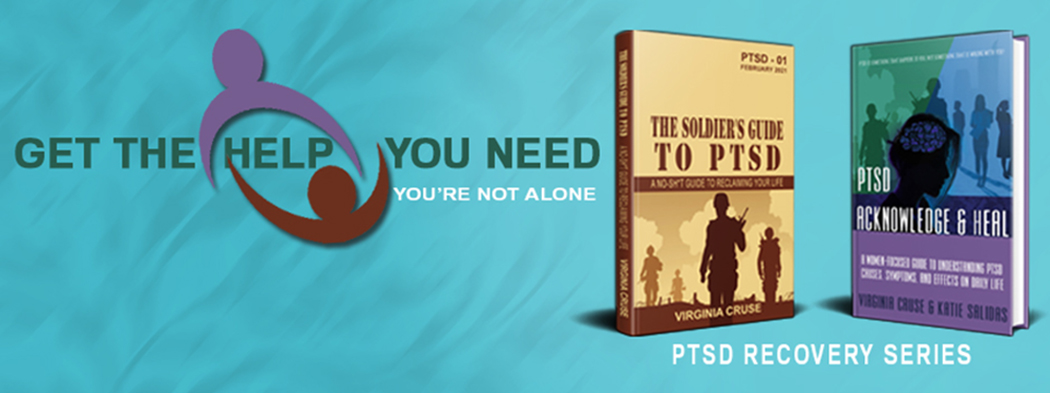
Get your copy of The Soldier's Guide to PTSD, The Soldier's Workbook, 

or Acknowledge & Heal, A Women's-Focused Guide to PTSD
Friday, April 19, 2024

Cumulative Trauma: The Hidden Toll of Caring Professions


Caring for others is a noble calling, but it comes with its own set of challenges. For those working in health and safety positions like first responders or mental and/or healthcare workers, the toll of repeated exposure to traumatic events can have devastating effects on their well-being.

Known as cumulative trauma, this term describes the psychological, emotional, and physical strain that builds up over time from constantly being exposed to traumatic situations. These individuals may not even realize the weight they carry until it becomes too much to bear.

First responders, in particular, must maintain emotional control in order to effectively help those in need. However, this means they may not have the chance to fully process their own reactions and emotions while caring for others. This can lead to long-term distress and difficulty coping with the cumulative stress.

Many who work in caring professions suffer in silence, believing that experiencing trauma is just part of the job. But as their careers progress, each new traumatic event adds another heavy rock to their already heavy mental load. Unfortunately, signs of cumulative trauma often go unnoticed or unaddressed.

The ongoing exposure to traumatic stress can have serious consequences for these individuals. Unresolved trauma can manifest in symptoms such as irritability, sleep disruption, fatigue, anger, detachment, isolation, increased alcohol use, hypervigilance, startling easily, physical pain and headaches, and anxiety. It can also greatly diminish their overall quality of life and increase the risk of developing conditions like PTSD.

It's vital for those in caring professions to recognize when exposure to stress and trauma has taken a toll and seek support and professional help. Just like carrying a backpack full of rocks, eventually the weight can become too much to bear. Let's break the stigma surrounding mental health in these professions and ensure that our caregivers receive the care they need to continue doing their important work with strength and resilience. 

*****

“If you believe change is possible, you want to change, and you are willing to do the work, you absolutely CAN get your life back.”

Get your copy of The Soldier's Guide to PTSD, The Soldier's Workbook, 

or Acknowledge & Heal, A Women's-Focused Guide to PTSD

Friday, April 12, 2024

First Responders' Mental Health Stigma, & Barriers to Help


First responders are often seen as the heroes who charge into extreme situations to save lives. But what happens when they have to face the aftermath of these traumatic events? While they may have been trained to handle the physical aspect of their job, many are not prepared for the toll it takes on their mental health. The constant exposure to trauma can lead to long-term effects, but unfortunately, resources for mental health support are not always readily available for first responders.

One coping mechanism that is common among first responders is self-medication. This refers to using drugs or alcohol as a way to cope with overwhelming emotions and feelings that they may not be ready or able to confront. According to the National Center for Injury Prevention and Control at the CDC, the high levels of mental stress in first responder jobs can contribute to substance abuse and alcoholism. In fact, studies show that first responders are more likely to engage in heavy or binge drinking compared to the general population.

The pressure to remain composed during one crisis after another can become too much to bear, leading some first responders to turn to alcohol or other substances as an easy escape at the end of a tough day. Along with alcohol, tobacco use and excessive painkiller usage are also common forms of self-medication among this group.

But these habits can quickly spiral out of control and lead to Substance Use Disorder (SUD). Many first responders may not even realize they have a problem until they try to cut back or face negative consequences from their self-medicating behavior. Asking for help with SUD can be challenging and stigmatized, especially for first responders who may feel embarrassed or ashamed about their struggle.

The culture of being a first responder is one that values strength, self-reliance, and always saving others. While this mentality can be beneficial in the line of duty, it also leads many first responders to consider stress and trauma as just part of their job, making it difficult for them to admit when they are struggling and reach out for help. Seeking help for these issues may not only go against societal expectations but also put their career at risk.

Unfortunately, this fear may of repercussion is partially legitimate. Mental health is a requirement for being a first responder. There have been cases where first responders have faced consequences for seeking treatment for mental health challenges. This can include losing access to their weapons or being assigned to desk duty, which can ultimately impact their job performance and opportunities for advancement.

The stigma surrounding mental health in the first responder community leads many individuals to under-report symptoms and avoid seeking help in order to dodge negative judgments or repercussions at work. On average, about one third of first responders experience stigma regarding mental health issues.

While shame and stigma are often the biggest obstacles preventing first responders from seeking mental health services, practical barriers also play a significant role, such as access to convenient services and compatibility with work schedules.

Surveys conducted among law enforcement officers and firefighters have revealed how widespread these practical barriers are. 525 firefighters throughout the United States were surveyed. Cost and availability were highlighted as major challenges when it came to accessing mental health services. This is especially problematic for volunteer firefighters, who may face even more difficulty in obtaining the necessary support compared to career first responders. Law enforcement officers, particularly those employed by smaller departments outside of urban areas, also encounter similar obstacles in accessing mental health services. For many, Employee Assistance Programs (EAPs) are contracted to provide mental healthcare services, effectively outsourcing the problem to people who do not understand the specific needs these first responders have.

This leads to one of the biggest problems. The lack of accessible therapists who are specifically trained to handle trauma. Often, the only option is a general mental health practitioner, who may not have the necessary expertise or understanding of the unique experiences of first responders. This can be discouraging for first responders who finally decide to seek treatment, and that negative or potentially unhelpful encounter could prevent them from seeking further help in the future.

It’s important to know that those who have mental health conditions or experience symptoms can still have positive outcomes with the right support.

The removal of the stigma associated with experiencing emotional distress, access to trauma-trained clinicians, and education about good mental health being just as important as good physical health are all important parts of the healing process. They should be easily accessible to all first responders. After all, these superheroes deserve the best care possible for all they do for our communities.


*****

“If you believe change is possible, you want to change, and you are willing to do the work, you absolutely CAN get your life back.”

Get your copy of The Soldier's Guide to PTSD, The Soldier's Workbook, 

or Acknowledge & Heal, A Women's-Focused Guide to PTSD