Friday, November 8, 2024

Veterans Day weekend Buddy Check


Team, this weekend is going to be hard. It's Veterans Day weekend and our Facebook feeds will be full of pictures and tributes to those we've lost to combat and to suicide. And it is hard. I'm not here to force-feed you some rah-rah message about how life can change; I'm here to stand with you - because this weekend consistently sucks every single year and we need each other right now. 

Please do your buddy checks this weekend, and nag the shit out of the people you love. Make sure they are okay! Having people who care for us and believe in us can can make all the difference in our ability to cope with and recover from difficult events.

I've never met a combat Vet who lost more buddies to war than they did to suicide, and that's not okay. Rather than doing 22 push-ups, I encourage you to pick up the phone and call someone to check in. 

If you learn that your battle buddy is in trouble, here's how to get help: call the Veterans Crisis Line at 1-800-273-8255 and Press 1 or send a text to 838255. You can text the crisis line while you are on the phone. Ask you buddy where they are located, who is with them, and whether or not they have a weapon. Pass this info on to the crisis line; they will send emergency services. 

I know that no one wants to piss off their buddy, but no one wants another dead buddy either - so choose your battles. The single most loving thing anyone ever did for me personally was stage an all-out intervention; it saved my life. 

Please consider sharing this info. Thanks, Team - stay safe out there.

TL;DR: call your battle buddy, and if they need it, get them help!

AND YOU - if you're in this head space, talk to someone now - like right now. Call your buddy, call the crisis line, do whatever it takes to hang on until this feeling passes because the world would not be better off without you.

*****

If you believe change is possible, you want to change, and you are willing to do the work, you absolutely CAN get your life back.”

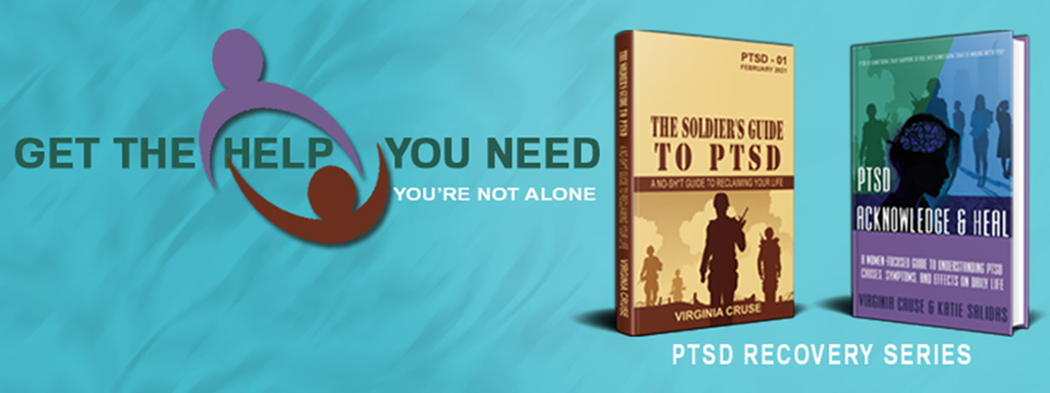
Get your copy of The Soldier's Guide to PTSDThe Soldier's Workbook

or Acknowledge & Heal, A Women's-Focused Guide to PTSD

Friday, November 1, 2024

Strategic Resilience for Mental Health


A person's mental and emotional well-being is essential for a healthy life. When individuals struggle with mental illness or substance abuse, it profoundly affects all aspects of their lives and the people they care about.

When discussing mental health, another term often arises: resilience. We discussed this concept last week when we dispelled the myth that those with PTSD are "not resilient."

Resilience is not an innate quality; it is developed through facing challenges and overcoming adversity throughout one's lifetime. However, being resilient does not mean that a person is immune to difficulties or distress in their life. It means that they have the ability to adapt in the face of trauma, tragedy, and threats.

Remember that word, adapt. It’s a verb, an action word. It means we have to do something.

To promote resilience, we have to develop protective factors like exercise, a healthy diet, a healthy sleep schedule, good communication, and most important of them all, a healthy support network. 

We may not always be able to sleep eight hours, stick to a healthy diet, or maintain a good schedule at the gym. Life happens when we make our best plans, so those can’t be the only strategies we turn to. 

Resilience is active, right? So we need to move to the next item on our list. A healthy support network.

When we’re struggling and in need of help, we have to communicate our needs. And that’s where having a healthy support network comes in. There’s not enough sleeping or eating right in the world that is going to fortify a person against the effects of trauma. To borrow a phrase, “it takes a village.” 

When there are people ready and willing to step in and help (peers, partners, friends, and/or family), you are better able to cope with difficult situations. Social support has been shown to reduce our level of stress during troubling situations. And knowing someone “has your back” creates the opening to do the hardest thing possible. It allows you to be open and ask for help when you need it.

Remember, resilience isn’t “toughing it out through the worst situations”. It’s having a strategy and support system in place...and using it when you need it.


*****

If you believe change is possible, you want to change, and you are willing to do the work, you absolutely CAN get your life back.”

Get your copy of The Soldier's Guide to PTSDThe Soldier's Workbook

or Acknowledge & Heal, A Women's-Focused Guide to PTSD

Friday, October 25, 2024

Debunking PTSD Myths


PTSD is often misunderstood and surrounded by harmful rumors that can prevent people from seeking the help they need. One of these rumors is that those who develop PTSD are "not resilient" or "damaged goods." 

This harmful idea suggests that only certain individuals are susceptible to developing PTSD, based on their past experiences or perceived level of resilience.

But the truth is, trauma can affect anyone. It is a highly individual experience, and what may be traumatic for one person may not be for another. No amount of happy childhood memories or previous traumas can protect someone from experiencing PTSD.

Furthermore, this damaging rumor perpetuates the notion that individuals with PTSD should just "bounce back" quickly. 

But the reality is, healing from trauma takes time and support. It is a process, not a quick fix.

Believing in this rumor can also have serious consequences. When people in need of help fear being labeled as "weak" or "damaged," they are less likely to seek the support and treatment they deserve. And this can lead to devastating outcomes.

Not seeking help can have disastrous effects. (These statistics are based on the U.S. population): 


  • About 6 out of every 100 people (or 6% of the population) will develop PTSD at some point during their life 

  • About 8 of every 100 women (or 8%) develop PTSD sometime in their lives compared with about 4 of every 100 men (or 4%) 

  • Among people who have had a diagnosis of PTSD in their lifetime, approximately 27% have also attempted suicide 

  •  Women with post-traumatic stress disorder (PTSD) are nearly seven times more likely than other women to die by suicide 

  • The average time between PTSD diagnosis and suicide was less than two and a half years 


It's time to debunk this harmful myth and start supporting those who are dealing with the effects of trauma. Let's not add to their burden by blaming them for their struggles. Instead, let's offer compassion, understanding, and resources to help them heal.

If you've been affected by harmful rumors about PTSD, know that you're not alone.  Remember, there is no shame in seeking help and working toward healing. Let's break the stigma surrounding mental health together.

*****

If you believe change is possible, you want to change, and you are willing to do the work, you absolutely CAN get your life back.”

Get your copy of The Soldier's Guide to PTSDThe Soldier's Workbook

or Acknowledge & Heal, A Women's-Focused Guide to PTSD