Friday, September 27, 2024

The Dangers of Toxic Positivity


Having a positive outlook on life is often praised and encouraged, but it's important to acknowledge that life is not always sunshine and rainbows. Negative emotions and experiences are a natural part of the human experience and can even be critical for personal growth.

Toxic positivity, on the other hand, is when we constantly try to avoid or dismiss those negative feelings in favor of only focusing on the positive. It may seem harmless, but toxic positivity can have harmful effects on our mental well-being and relationships.

By burying our own feelings or invalidating the feelings of others, we are denying ourselves the opportunity to address and work through difficult emotions. This can lead to those negative feelings festering and causing more harm in the long run.

Moreover, toxic positivity can be especially damaging to those going through tough times. Instead of offering support and understanding, the constant push for positivity can make them feel dismissed and isolated. This only adds to a person’s struggles.


Toxic Positivity is: 

  • Shaming: Toxic positivity tells people that the emotions they are feeling are unacceptable.

  • Causes guilt. It sends a message that if a person can’t feel positive, even in the face of tragedy, that they are doing something wrong. 

  • Avoids empathy. Toxic positivity allows people to sidestep emotional situations that might make them feel uncomfortable. This becomes a societal pattern. When we feel difficult emotions, we then discount, dismiss, and deny them for ourselves and others. 

  • Prevents growth. Dismissing and denying negative feelings also prevents us from facing those challenging feelings which, if worked through, could lead to growth and deeper insight. 


Common examples: 

Feigning Gratitude. Focusing on gratitude as a way to bypass emotions. Gratitude is not a bad thing, but it can be when you're using it to invalidate yourself.

“Look on the bright side.” 

“Count your blessings."  


Comparing. Just because someone else is seemingly handling a tough time “better” than you, that's no reason to start comparing. Everyone handles things in their own way. 

"You think you have it rough?” 

"It could be worse.” 

"If I can do it, so can you.” 


Dismissing Difficult Emotions. When difficult emotions arise, you completely push them down, insisting you must stay positive. It’s a form of gaslighting. 

"Everything happens for a reason.” 

"Positive Vibes Only.” 

"Failure is not an option.” 

"Don’t worry, be happy!”  


A toxic positive response, rather than an empathetic one, creates a disconnect in a person’s ability to rely on their social support structure.  

THE BOTTOM LINE: People going through trauma don’t need to be told to stay positive, they need empathy. When someone is suffering, they need to know that their emotions are valid, and they can find relief and love in their friends and family. Negative emotions need to be validated, explored, and processed. 

Have you experienced toxic positivity? How did you address it? 


*****

If you believe change is possible, you want to change, and you are willing to do the work, you absolutely CAN get your life back.”

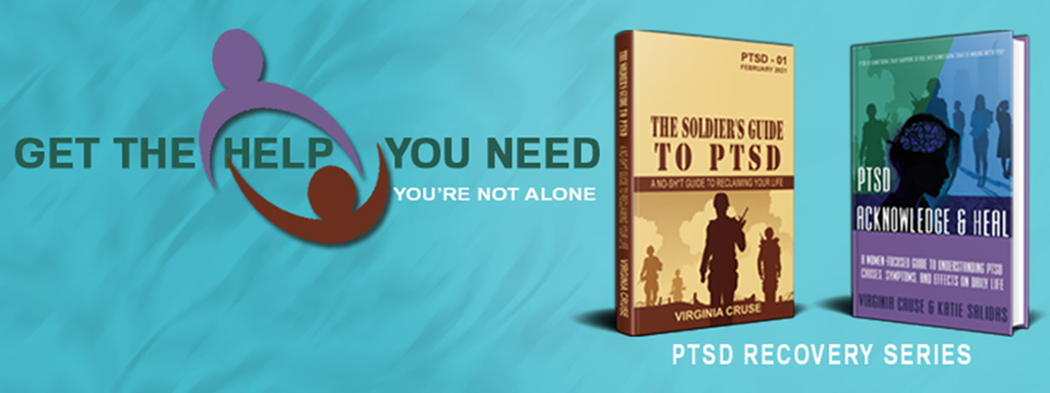
Get your copy of The Soldier's Guide to PTSDThe Soldier's Workbook

or Acknowledge & Heal, A Women's-Focused Guide to PTSD

Friday, September 20, 2024

Busting PTSD Myths


Unfortunately, there are many rumors about PTSD that are simply NOT true. One of the biggest misconceptions about PTSD is that those who have experienced trauma can't be successful members of society. 

Let's talk about why this is a load of bull: 

When we define trauma and what someone with a trauma history looks like, we often miss out on seeing the truth of their personal history. Trauma is often thought of as an isolated event: a car crash, sexual assault, or maybe something happening during military service. While singular events can be traumatic, we’re ignoring a whole host of ongoing situations and relational traumas a person can experience. Many of which are outlined in Acknowledge & Heal, A Women's-Focused Guide to PTSD.

We expect to see someone showing some form of self-destructive behavior in an attempt to self-sooth. But that’s not always the case.  

When a person is exposed to ongoing trauma, their mind tries to adapt. It’s the brain’s job to keep us alive, so in situations where we can’t escape our trauma, the brain switches from fight-or-flight, or to a more adaptive "tend and befriend" mode, allowing us to remain as safe as possible in the ongoing traumatic situation.  

In short, we develop coping mechanisms to keep everything peaceful. And, as long as things are relatively calm in our lives, we appear “normal.” 

In some cases, our focus turns outward, toward the things we can control: grades, promotions, seeking independence, and financial security. Many trauma survivors become fiercely independent because of the betrayal of the trauma they experienced left them knowing the only person they could rely on was themselves (e.g. a former child of abusive or neglectful parents). To a spectator, these individuals seem like they have it all together. They couldn’t possibly be struggling with PTSD, right?  

Wrong!  

Unfortunately, this outward appearance of success does not mean that the person is not suffering from PTSD. In fact, by perfecting a mask of indifference and building emotional barriers over time, they may have become desensitized to their own struggles and may be difficult to diagnose.

Either way the pendulum swings, self-destructive or super high-functioning, the person who has experienced trauma (singular or ongoing) is attempting to compensate for it. And that may work for them for many years, until it doesn’t. 

The bottom line is that being outwardly high-functioning and needing trauma recovery work are not mutually exclusive. Just because someone appears to be high functioning, it doesn’t mean they don’t suffer.


*****

If you believe change is possible, you want to change, and you are willing to do the work, you absolutely CAN get your life back.”

Get your copy of The Soldier's Guide to PTSDThe Soldier's Workbook

or Acknowledge & Heal, A Women's-Focused Guide to PTSD

We value your feedback and ideas! Reach out on our Community Facebook Page!

Friday, September 13, 2024

First Responder Peer Support Groups


Peer support is when people with similar experiences, whether it's their own mental health challenges or those of a loved one, come together to provide each other with support and understanding.

Many first responder organizations are starting to use peer support as a way to help their employees deal with the stress and trauma they experience on the job. 

This can include things like critical incident stress management, where support is provided after a particularly difficult event.

Workplace-based peer support is a specific type of peer support where employees who have gone through their own mental health struggles receive special training to support their coworkers.

The main goal of peer support is to offer hope and promote recovery for those dealing with mental health challenges. These programs are often led by people who may not be licensed therapists, but who have been trained to listen and facilitate group healing sessions.

Peer support can have many benefits, including:

  • Humanizing mental health issues
  • Reducing feelings of isolation
  • Helping people gain control over their symptoms
  • Promoting hope and resilience
  • Increasing understanding of mental health within an organization  

It also allows peers to connect and work towards common goals, improving overall quality of life for everyone involved. And let's not forget the rewarding experience for those providing the support—listening and helping others can be healing in itself.


*****

If you believe change is possible, you want to change, and you are willing to do the work, you absolutely CAN get your life back.”

Get your copy of The Soldier's Guide to PTSDThe Soldier's Workbook

or Acknowledge & Heal, A Women's-Focused Guide to PTSD